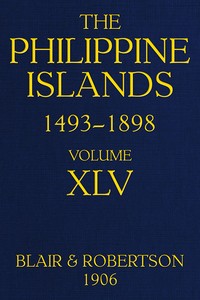
The Philippine Islands, 1493-1898, Volume 45, 1736 by Blair, Bourne, and Robertson
Let's be clear from the start: this isn't a novel. The Philippine Islands, 1493-1898, Volume 45 is a piece of a massive, 55-volume historical project. This specific book focuses entirely on the year 1736. Instead of a narrative, it's a curated box of primary sources. Editors Emma Blair and James Robertson translated and organized documents from Spanish archives to give us a direct line to the past.
The Story
There's no traditional plot. The "story" is the year itself, told through the paperwork of empire. You'll read the Governor-General's official report to the King of Spain, detailing everything from successful missions to natural disasters and the constant threat of Moro pirates from the south. You'll see letters from Augustinian friars describing their work in the provinces, which often doubles as a report on local conditions and resources. There are financial accounts, legal disputes over trade, and notes on the comings and goings of the famed Manila Galleon. It's the administrative heartbeat of a colony.
Why You Should Read It
This book removes the historian as a middleman. You're not getting someone's interpretation of 1736; you're getting the raw material they would use. The magic is in the details and the voices. You feel the frustration of a governor whose ships keep getting wrecked. You sense the paternalism and genuine belief in the friars' letters. Between the lines of official requests for more troops or priests, you can glimpse the lives of the people living under this system. It turns history from a list of dates into a messy, complicated, and very human experience.
Final Verdict
This is not for casual readers looking for a quick story. It's a specialist's treasure and a goldmine for anyone with a deep, existing interest in Philippine history. It's perfect for students, researchers, or history buffs who want to go beyond textbooks and feel the texture of the colonial period. If you've ever wondered what the original documents actually said, this is your chance to find out. Approach it like an archive dive, not a bedtime read, and you'll be richly rewarded.
This text is dedicated to the public domain. You are welcome to share this with anyone.